Whisky Couture
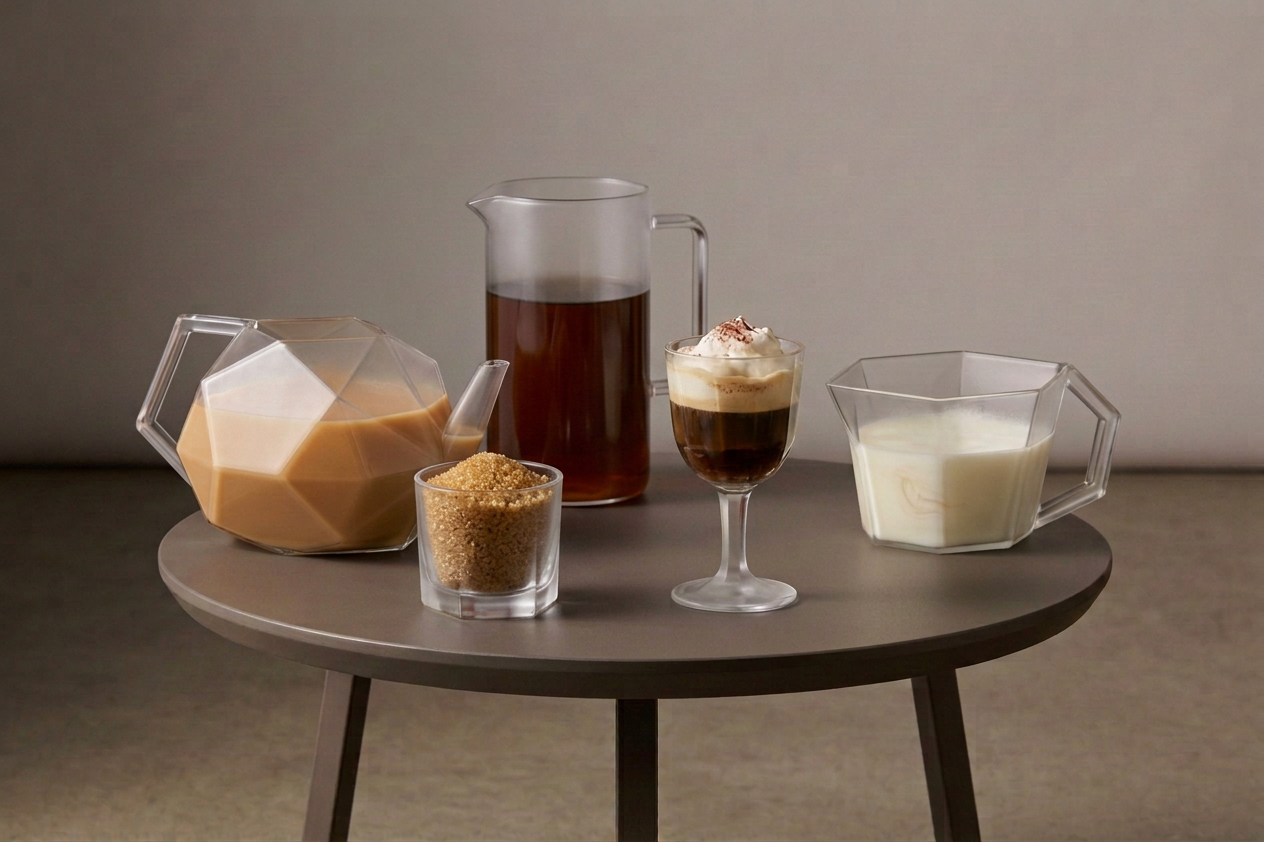
An Irish Coffee drinkware set to add to the experience, culture, and enjoyment of the Paris Fashion Show
Couture - or “Haute Couture” meaning high-end and the high-fashion end of the spectrum. Extravagant, good craftsmanship, significant.
Initial Research
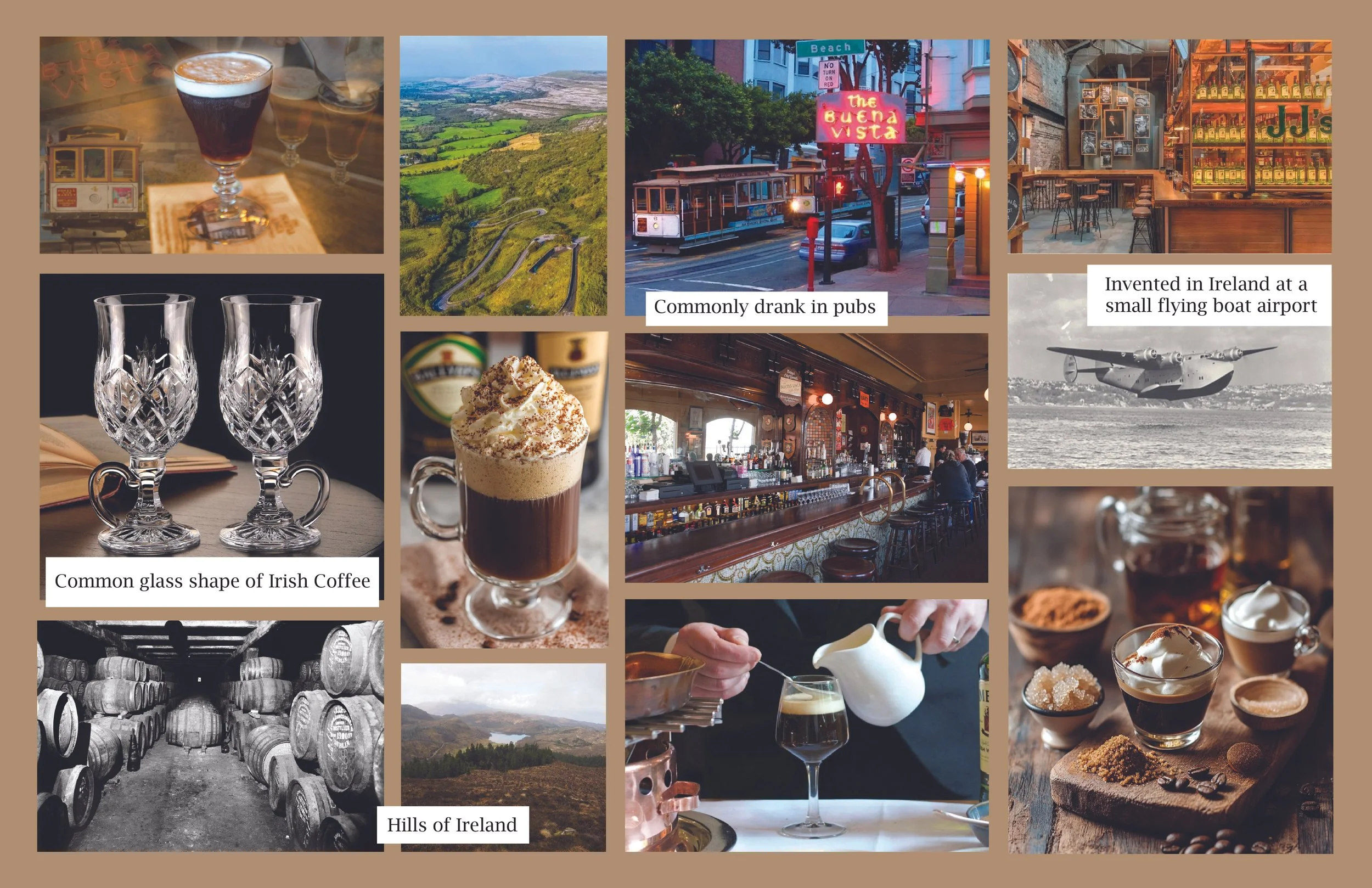
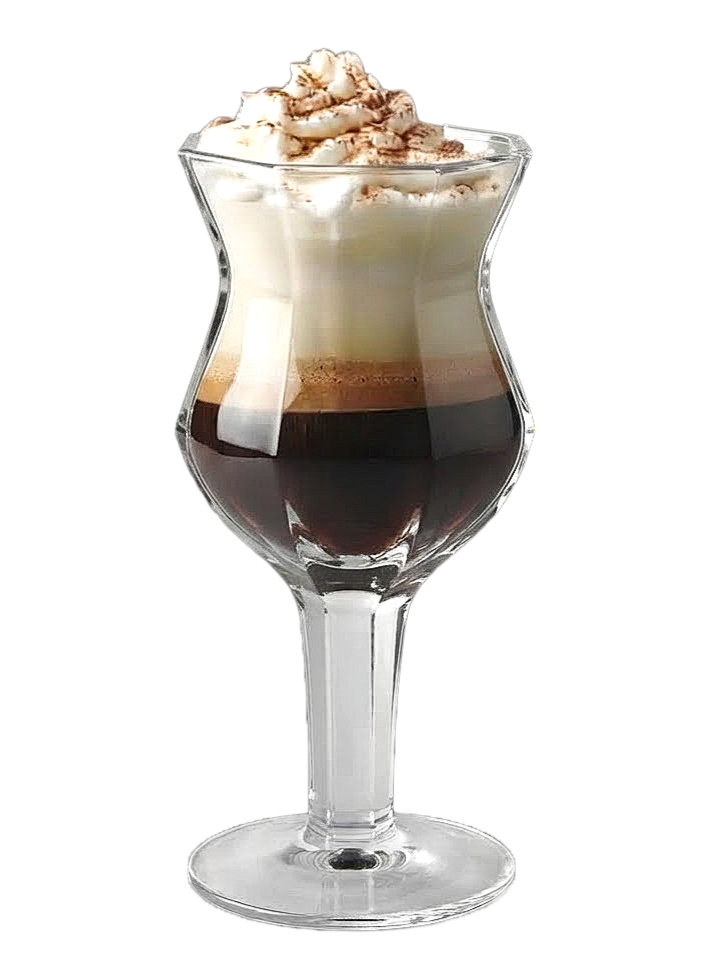
Irish coffee is rooted in tradition, traditionally served in stemmed glasses and enjoyed among others. Its layered combination of ingredients brings together different elements to create a more cohesive drinking experience.
Ingredients: Coffee, whisky, cream, and brown sugarOrigin: Foynes, Ireland in 1943 and traveled to San Francisco in 1952
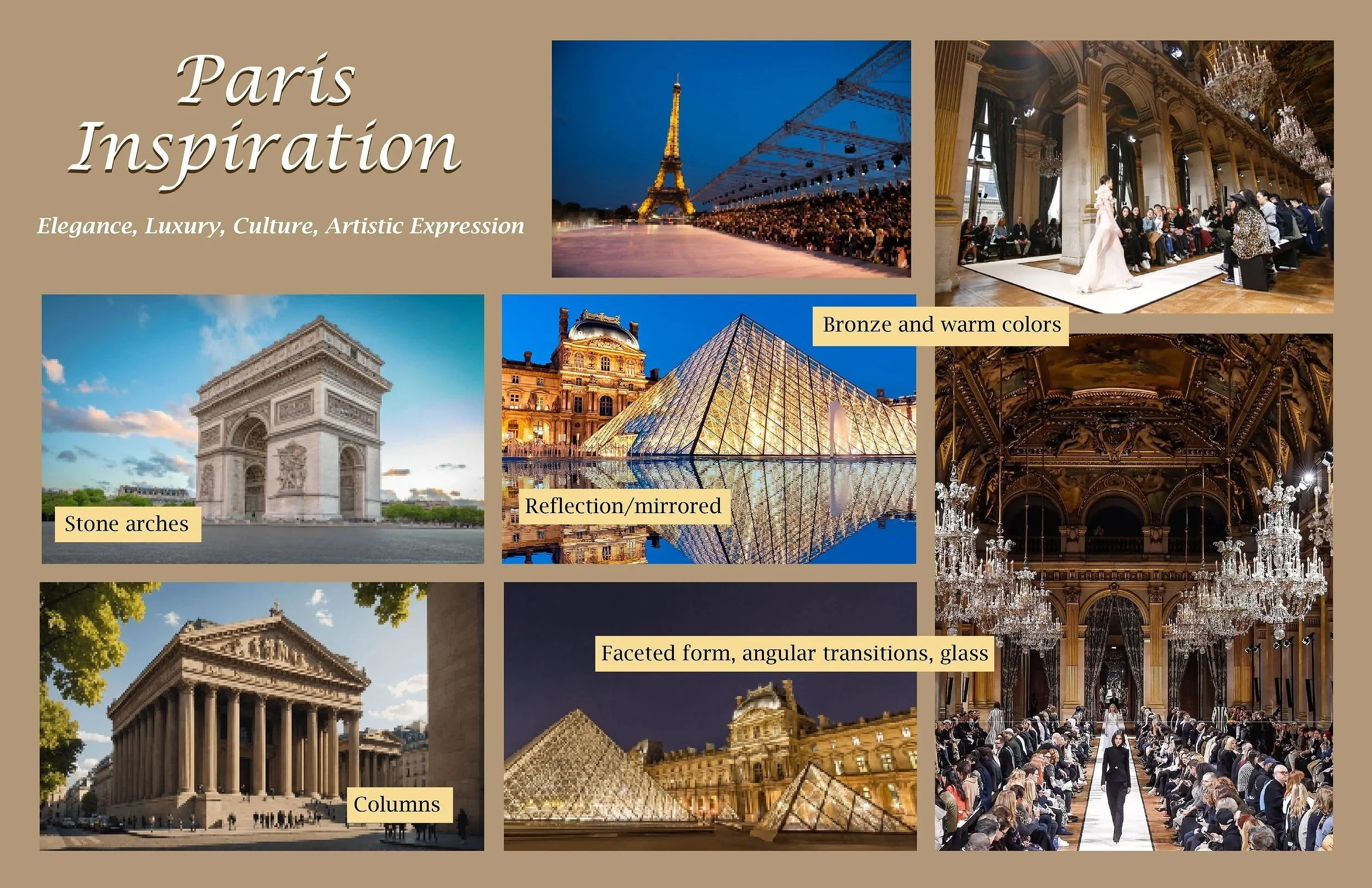
The Paris Fashion Show represents more than clothing. It is a cultural expression of innovation, tradition, and collaboration. Known for its luxury and craftsmanship, Paris inspired the elegance and refinement of my design.
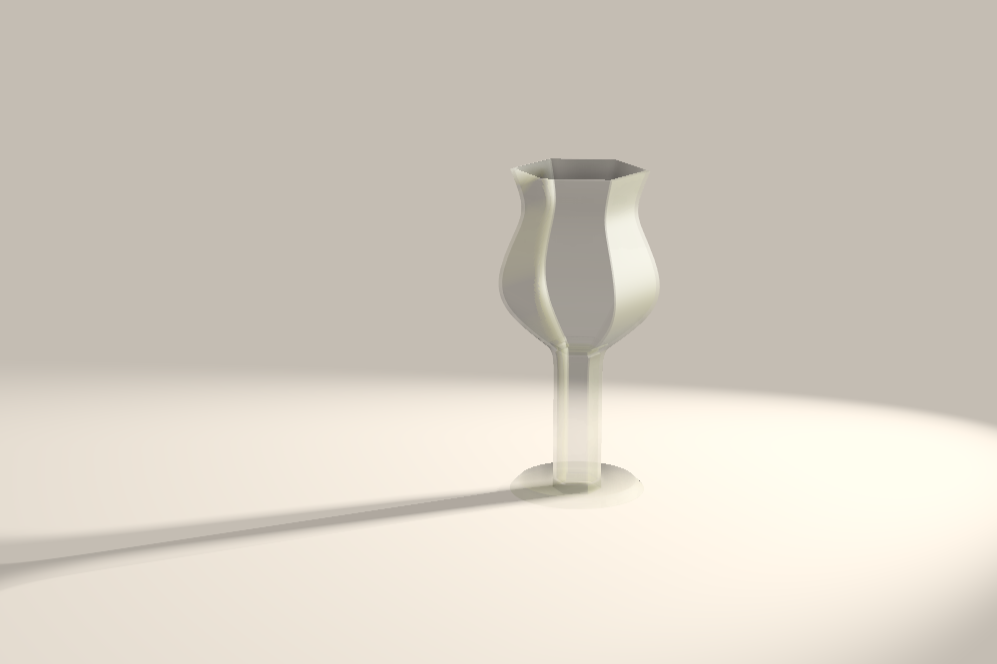
The Louvre also influenced my approach through its distinctive architecture, incorporating structured panels, reflective surfaces, and faceted forms that create visual movement and dimension.
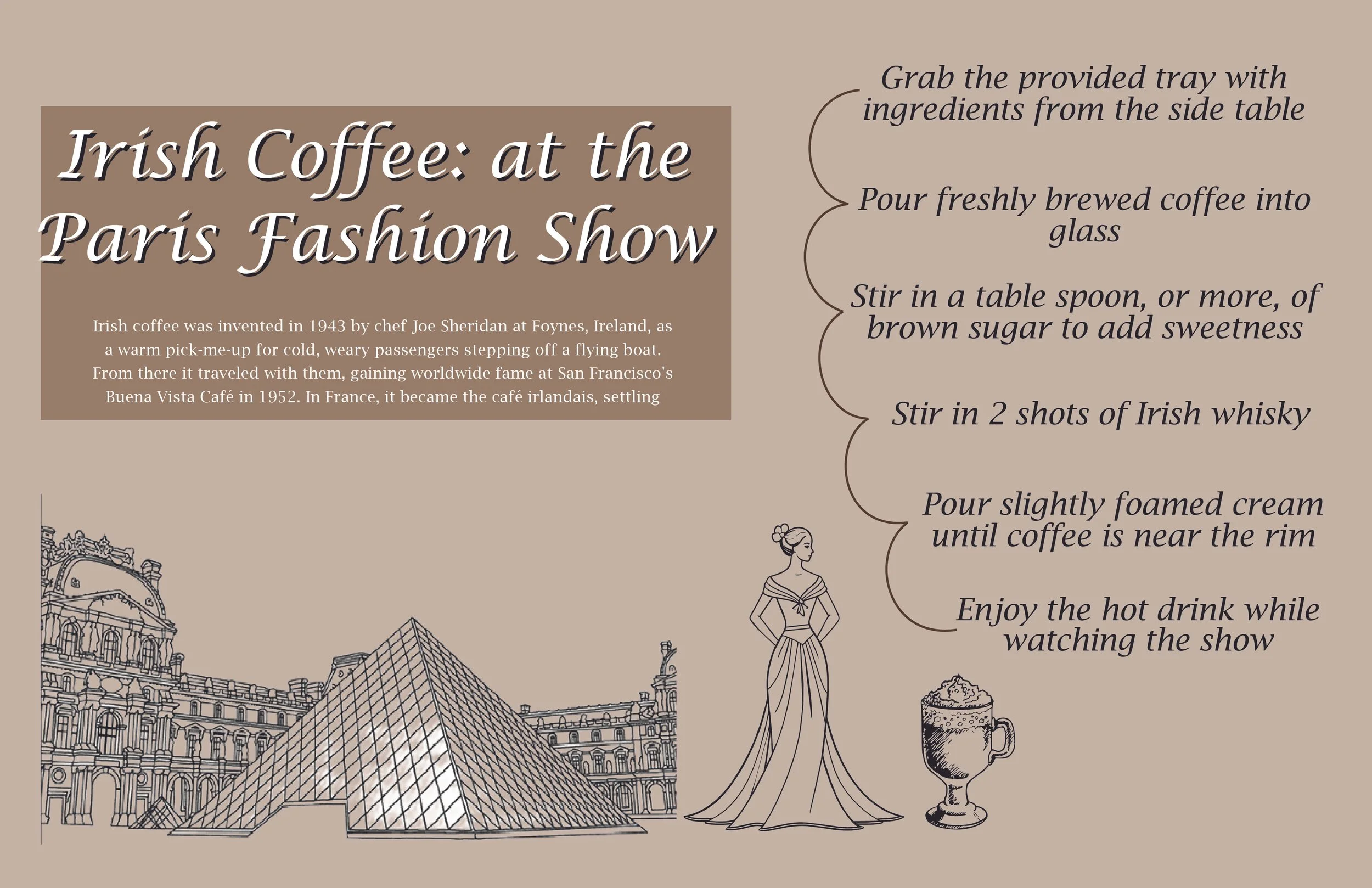
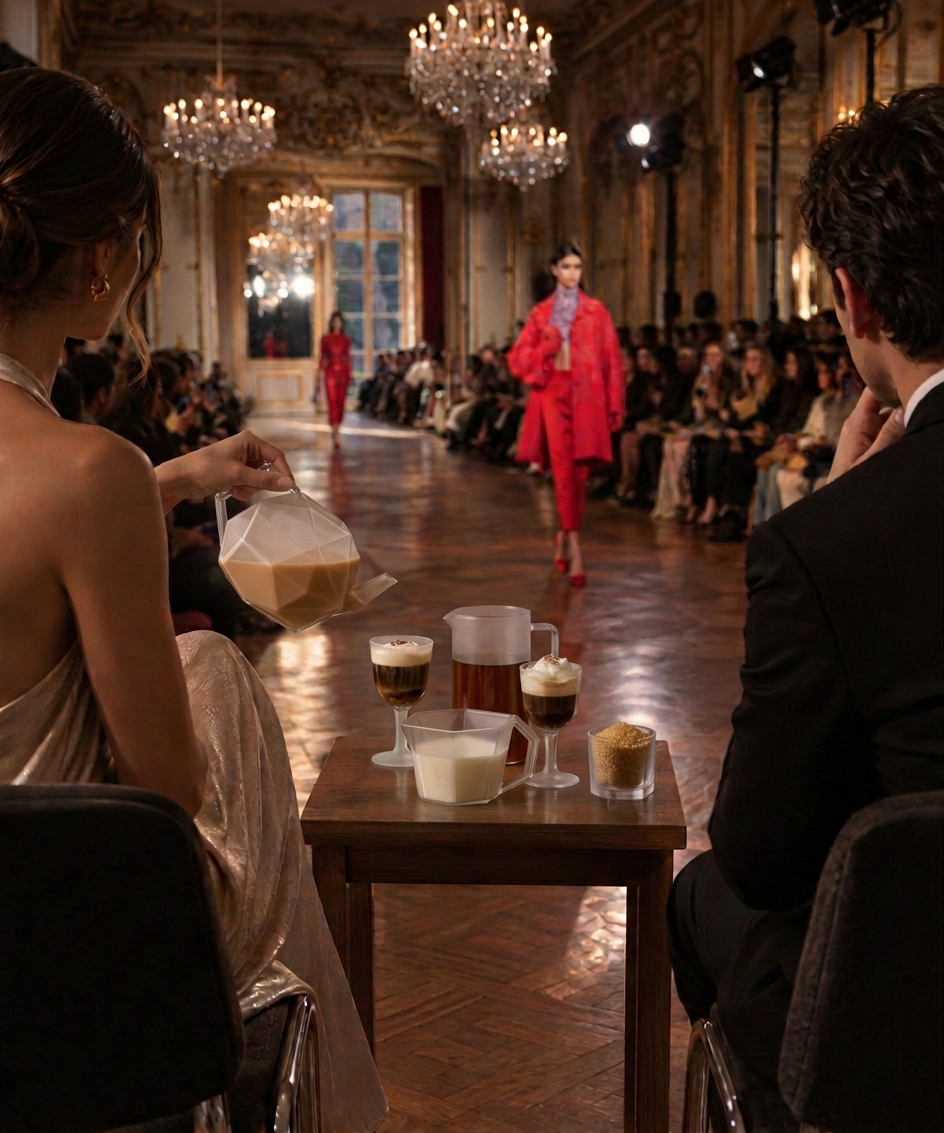
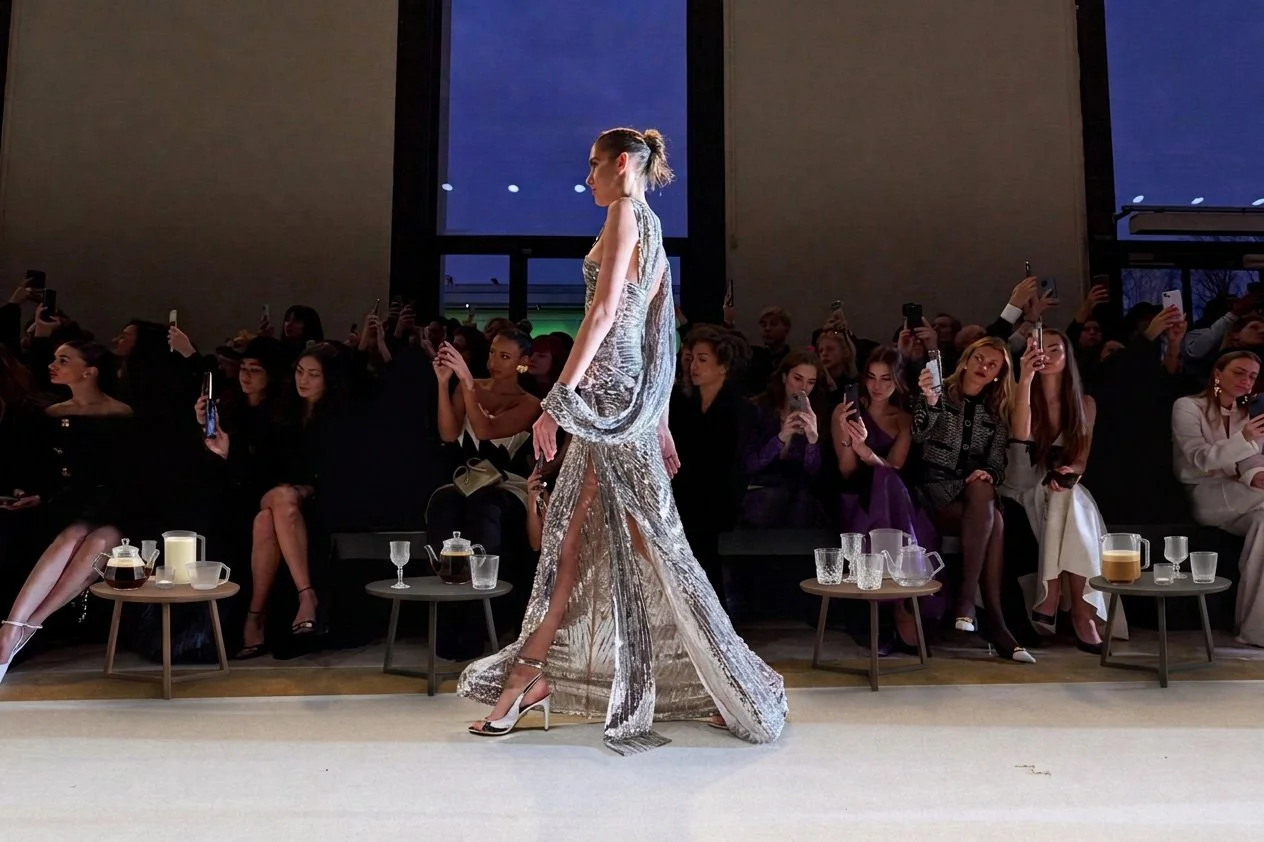
The experience combines the tradition of preparing Irish coffee with the atmosphere of the Paris Fashion Show. Each step, from gathering ingredients to pouring and layering the drink, creates an intentional experience that can be enjoyed while watching the runway.
My goal was to design drinkware that contributes to the elegance of the event while preserving the traditional elements of Irish coffee. The forms, details, and presentation bring together Irish heritage and Paris's refined aesthetic.
Sketches
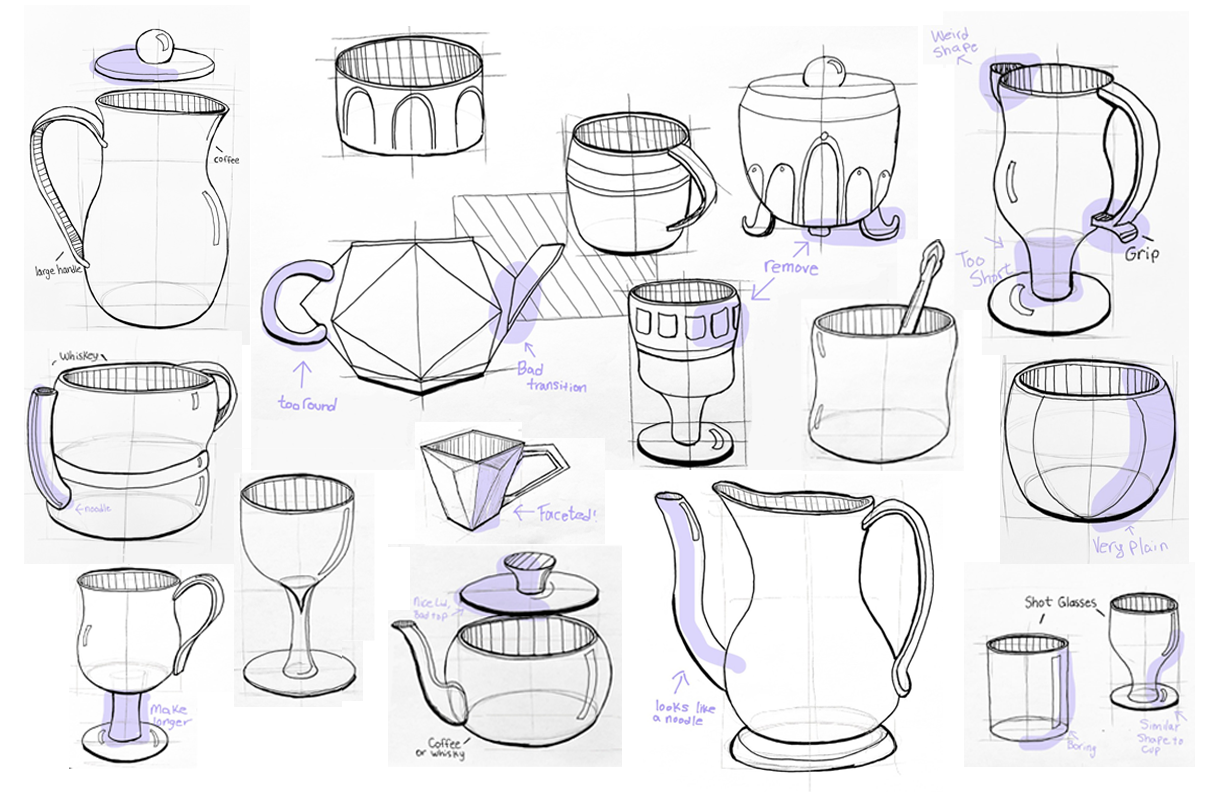
3D Models
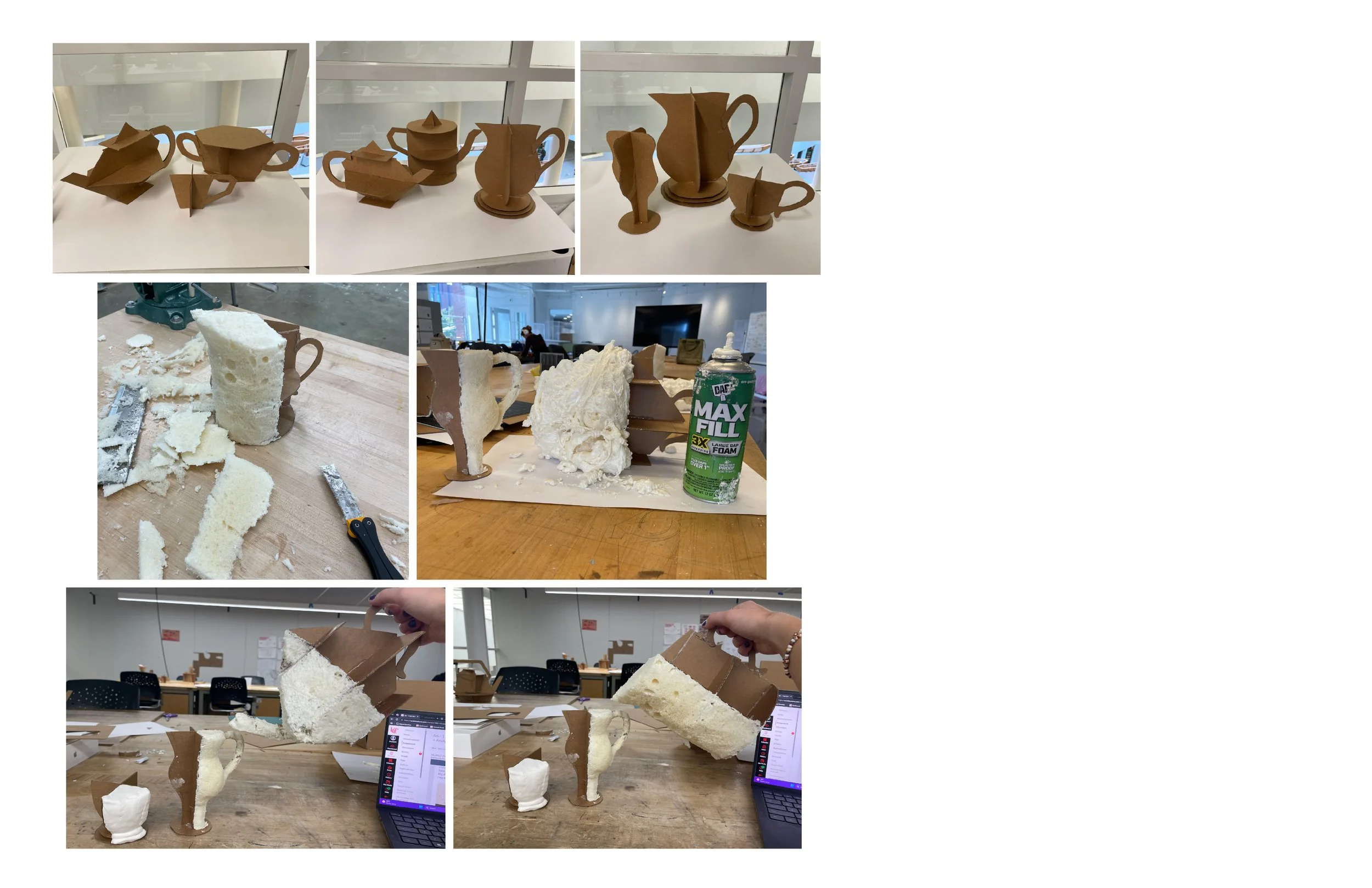
My initial cardboard iterations allowed me to quickly explore different silhouettes, proportions, and structural possibilities.
As the concepts developed, I introduced spray foam to build out the forms and explore more dimensional and dynamic shapes. This helped me better understand the volume, transitions, and overall presence of each concept.
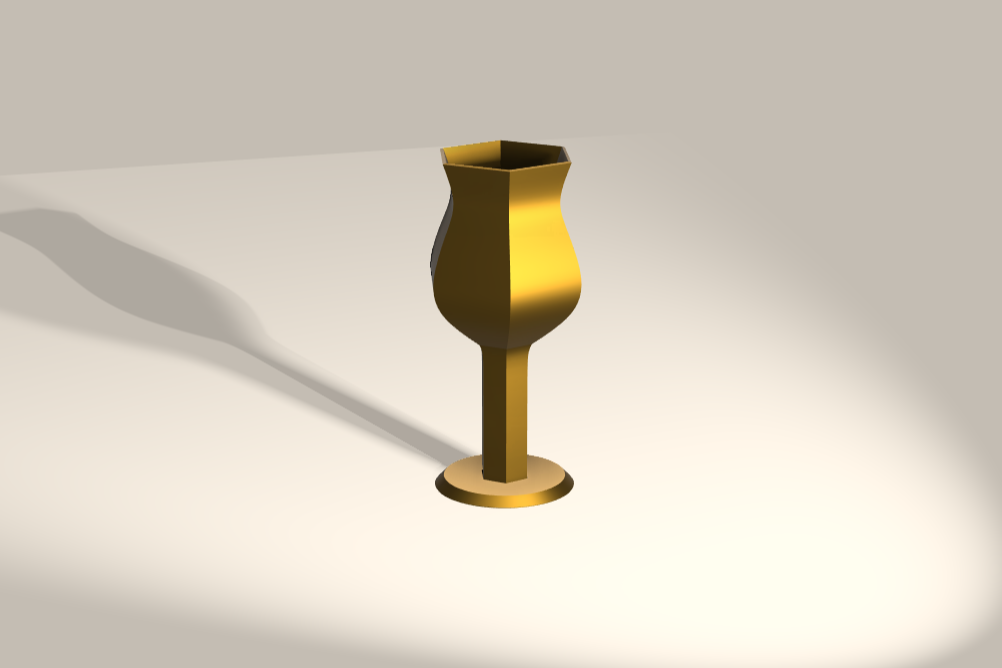
Fusion 360 Iterations
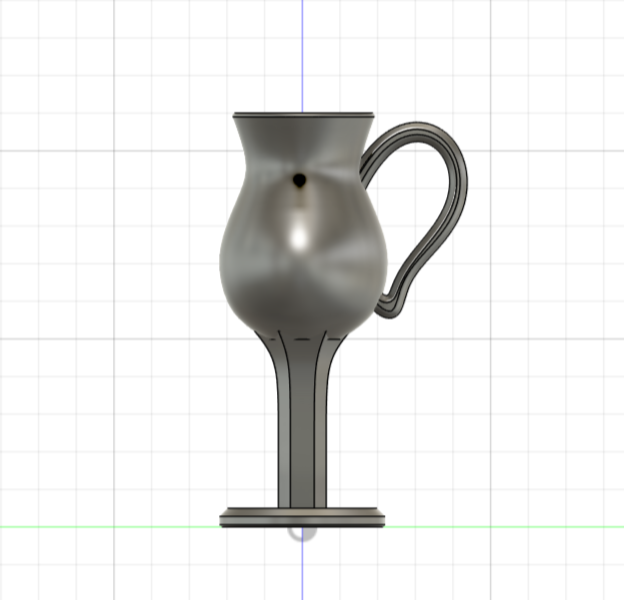
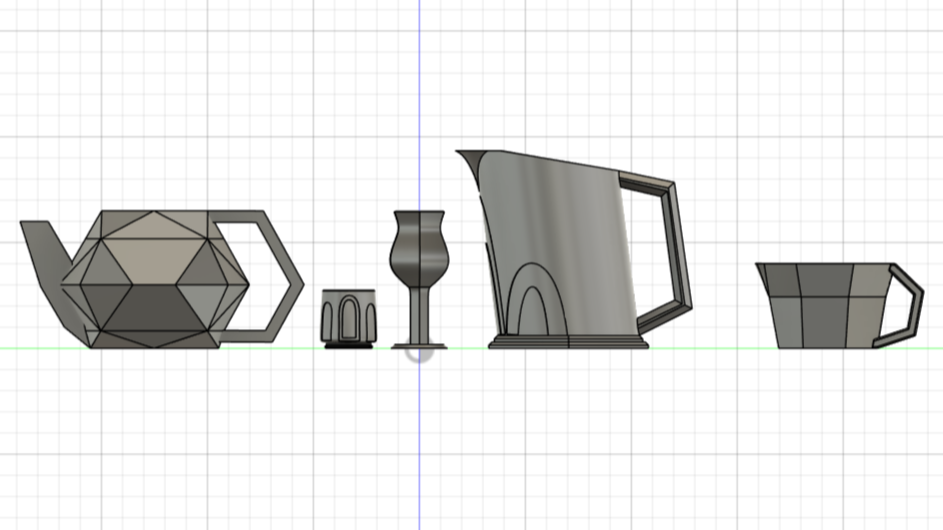
Family of Form Struggles
Original cup feels disparate and out of place
The handle is arguing with main body
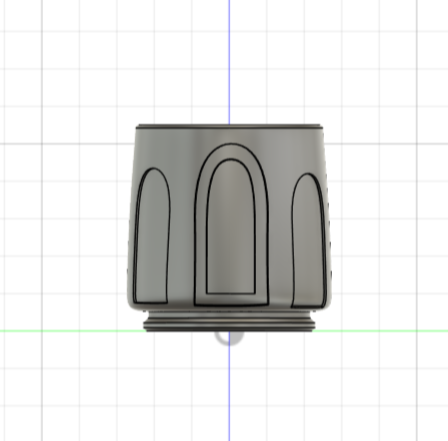
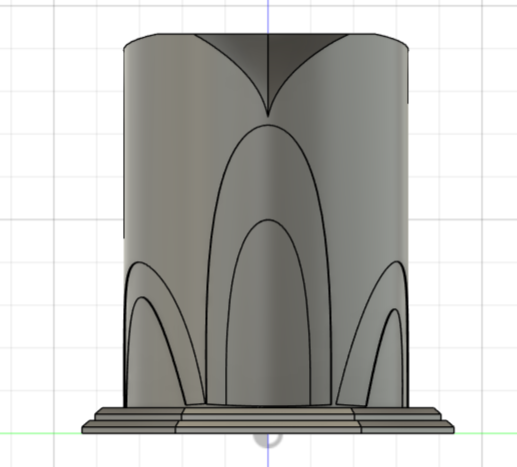
Arches taking away from form and are distracting
Bases lack a unified design language
Lack of proportional balance between the pitcher and cream cup
Material Studies
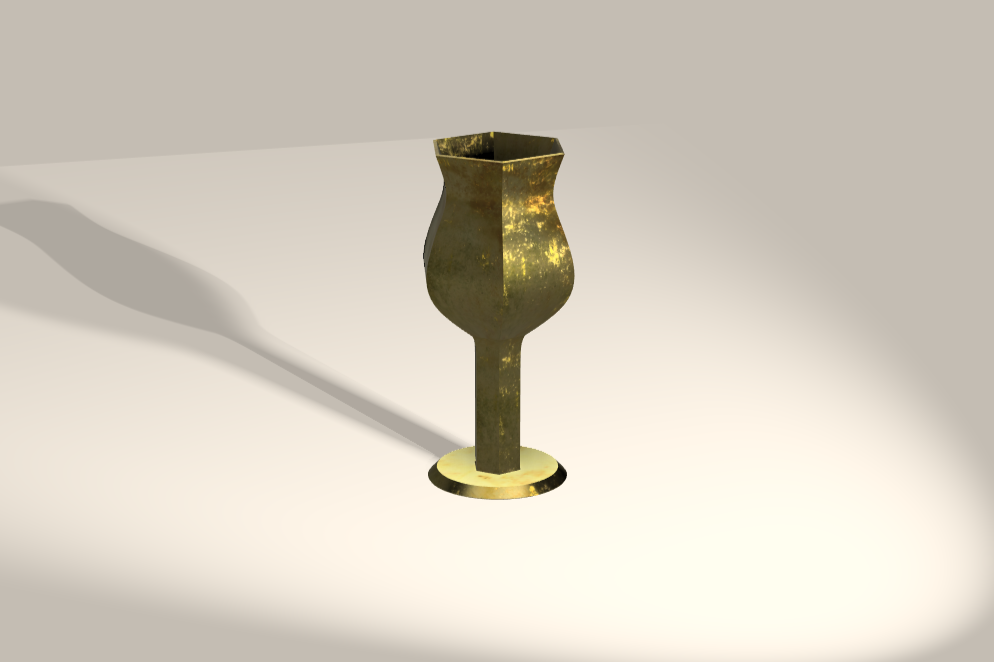
Warm metals
Relates to the runways and architecture
Looks cheap and doesn’t match the elegant direction I wanted
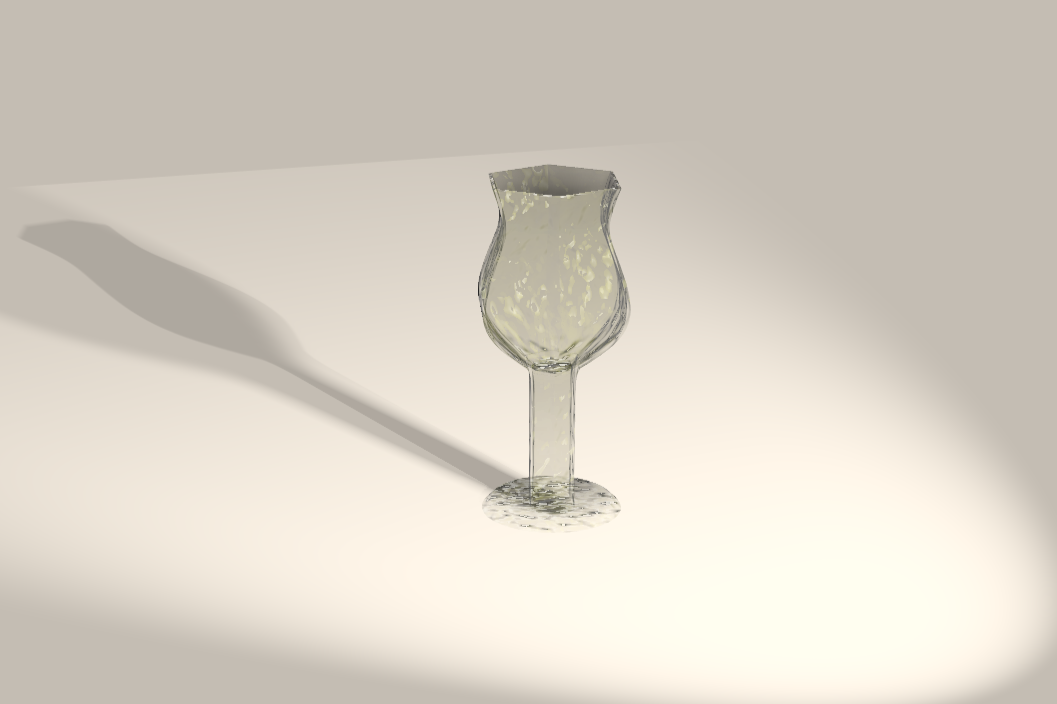
Simple glass
Allows facets to display different visual perspectives
Relates back to the Louvre
Displays the layers of the drink to contribute to the overall composition
Material and Process
Press-molded bodies and welded handles/spout in hot glass
Bodies are pressed in a metal mold from a glob of molten glass
A plunger forces the glass out against faceted mold walls, so the facets come out sharp and repeatable
Handles are made separately and welded on hot at a bench where both forms come to temperature at the same time
Not casted
Casting kills the facets and would take away from a big aspect of the set
It rounds off the sharp edges and leaves surface marks
Cast vs. Press-mold
Casting is based on the force of gravity while press-molds rely on a plunger or other outside pressure
This forces the material into the sharp edges, corners, and details that casting rounds off
Casting is less consistant with ticker walls
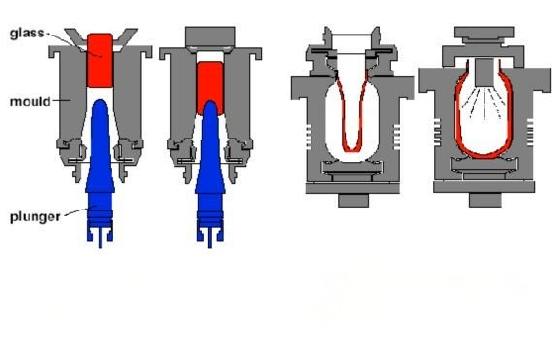
Source: AGC - Technical Paper PDF
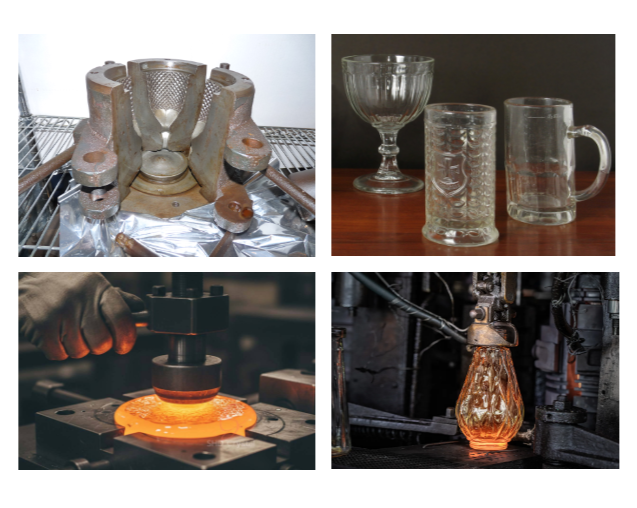
Source: Corning Museum - Pressed glass
Iterations
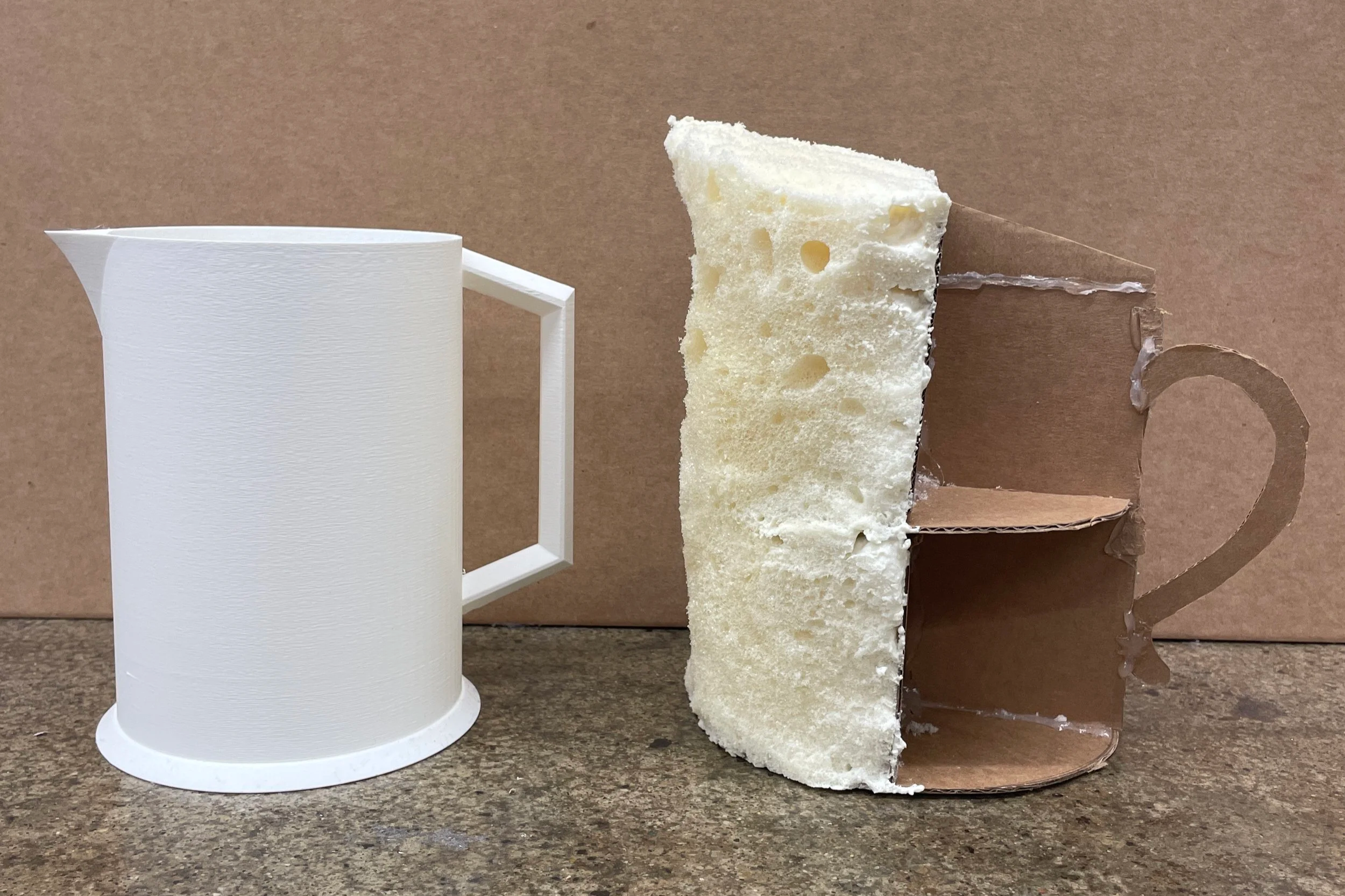
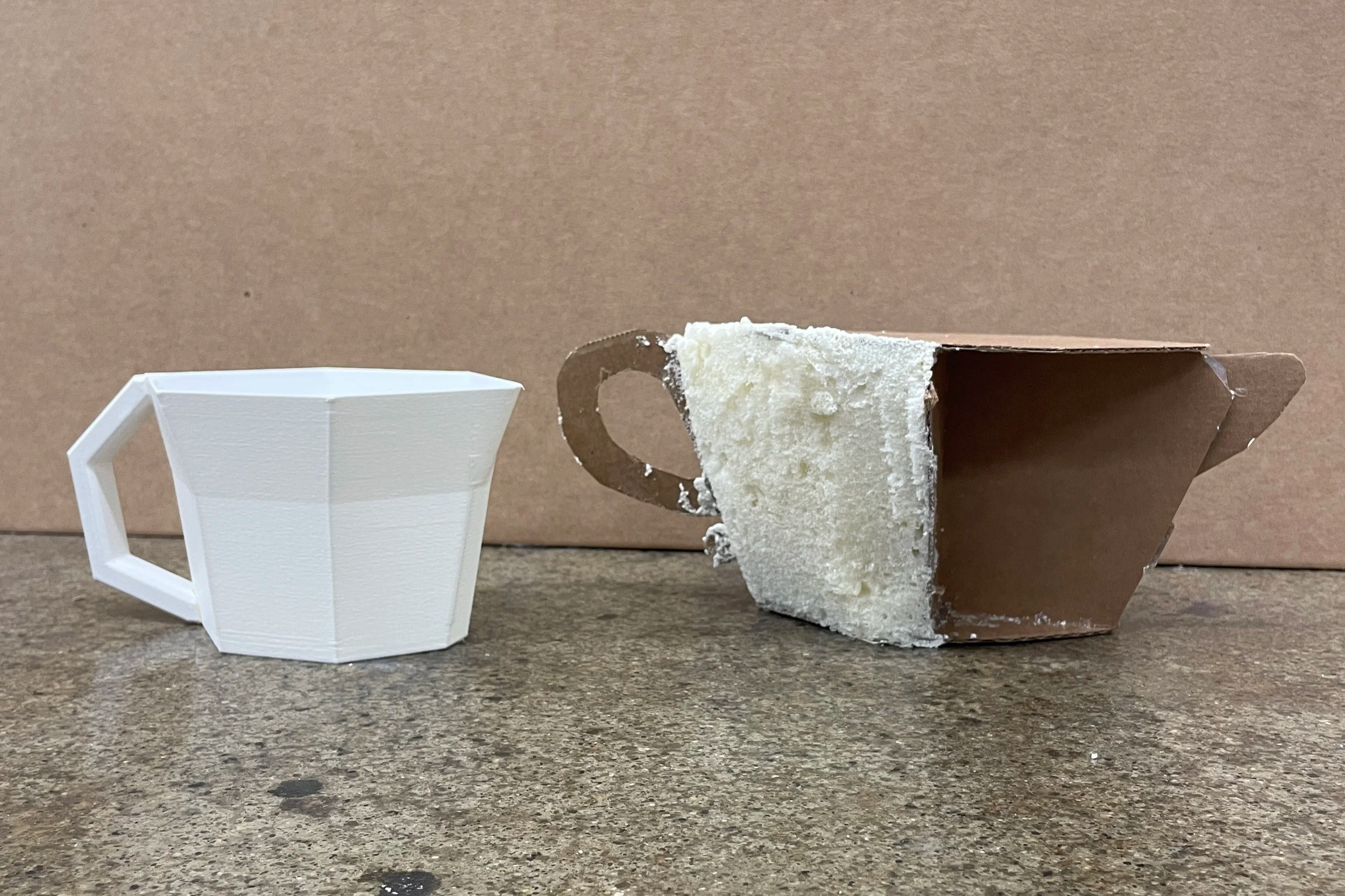
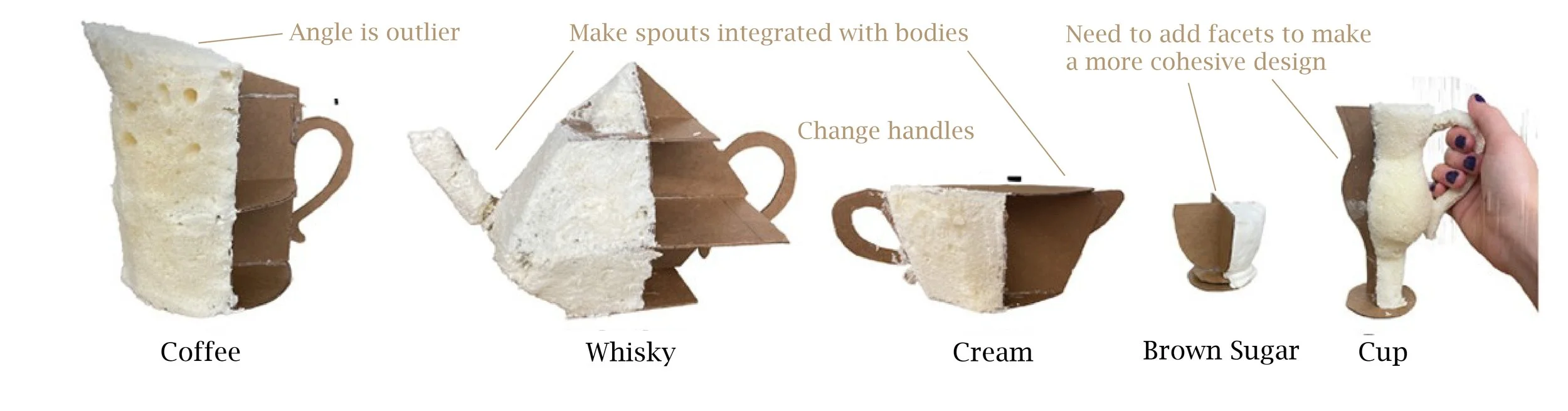
First 3D iterations changed into the more refined, cohesive, and successful design.
Angled top seemed random when there was no correlating angles on other forms
Both handles began abruptly
Added base creates a faceted buffer for more round form
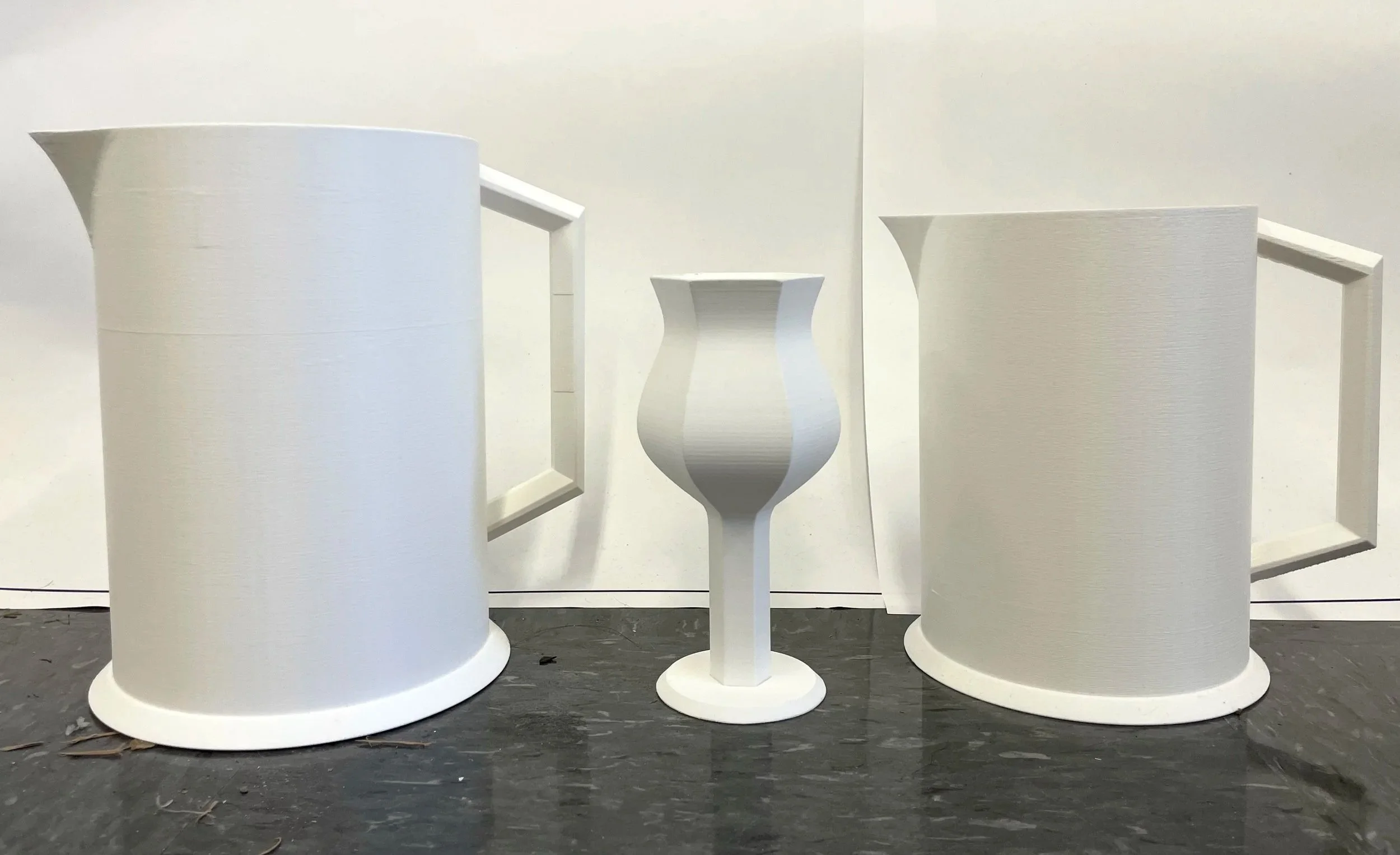
First 3D print showed me that the pitcher was too big, and through scaling it down improved the overall design.
Will fit on tables easier
Makes more sense for amount of coffee that will be used in context
Stands out less from the other small pieces
Final Prototypes
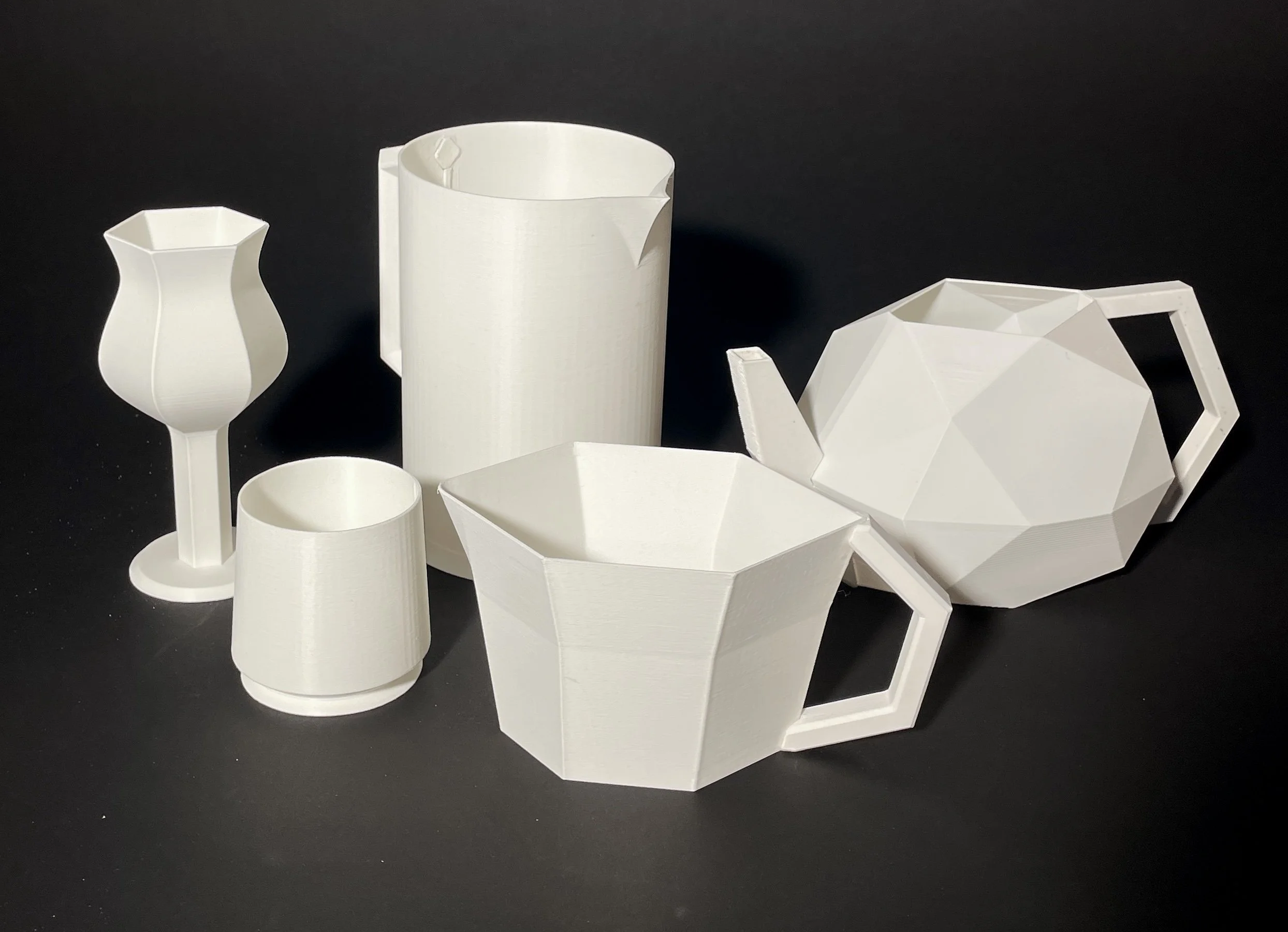
Common handles
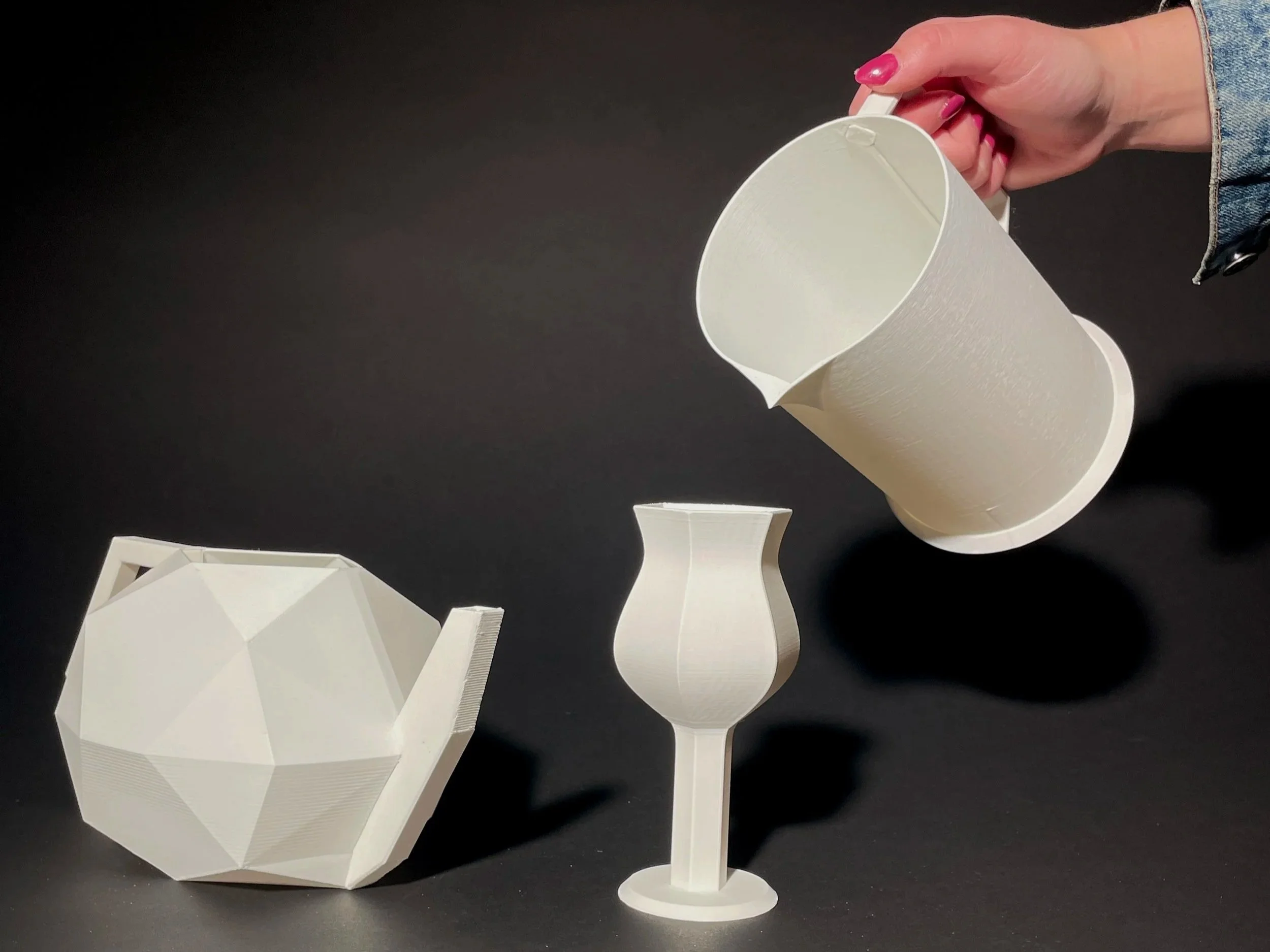
Easy pour
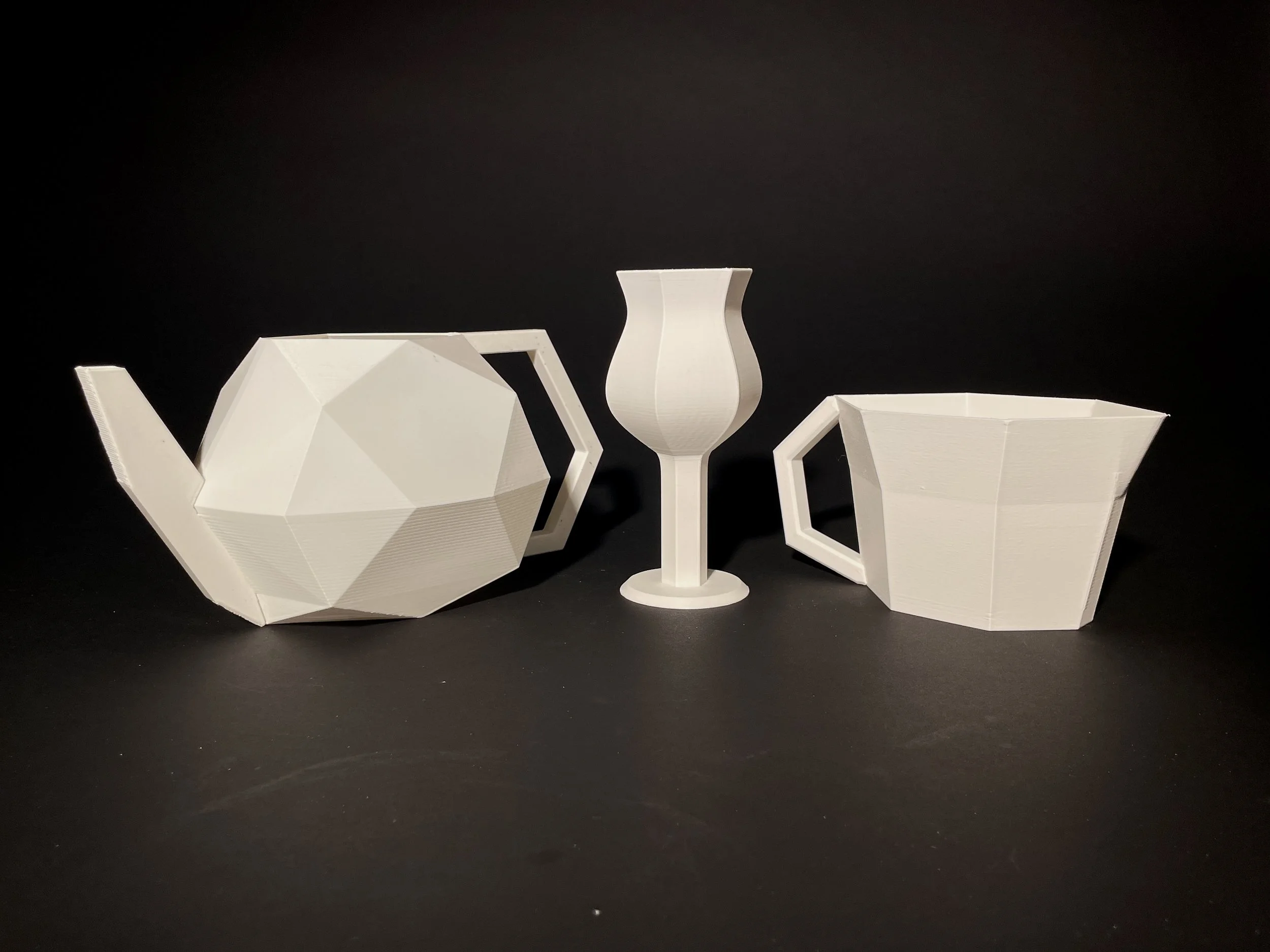
Faceted form
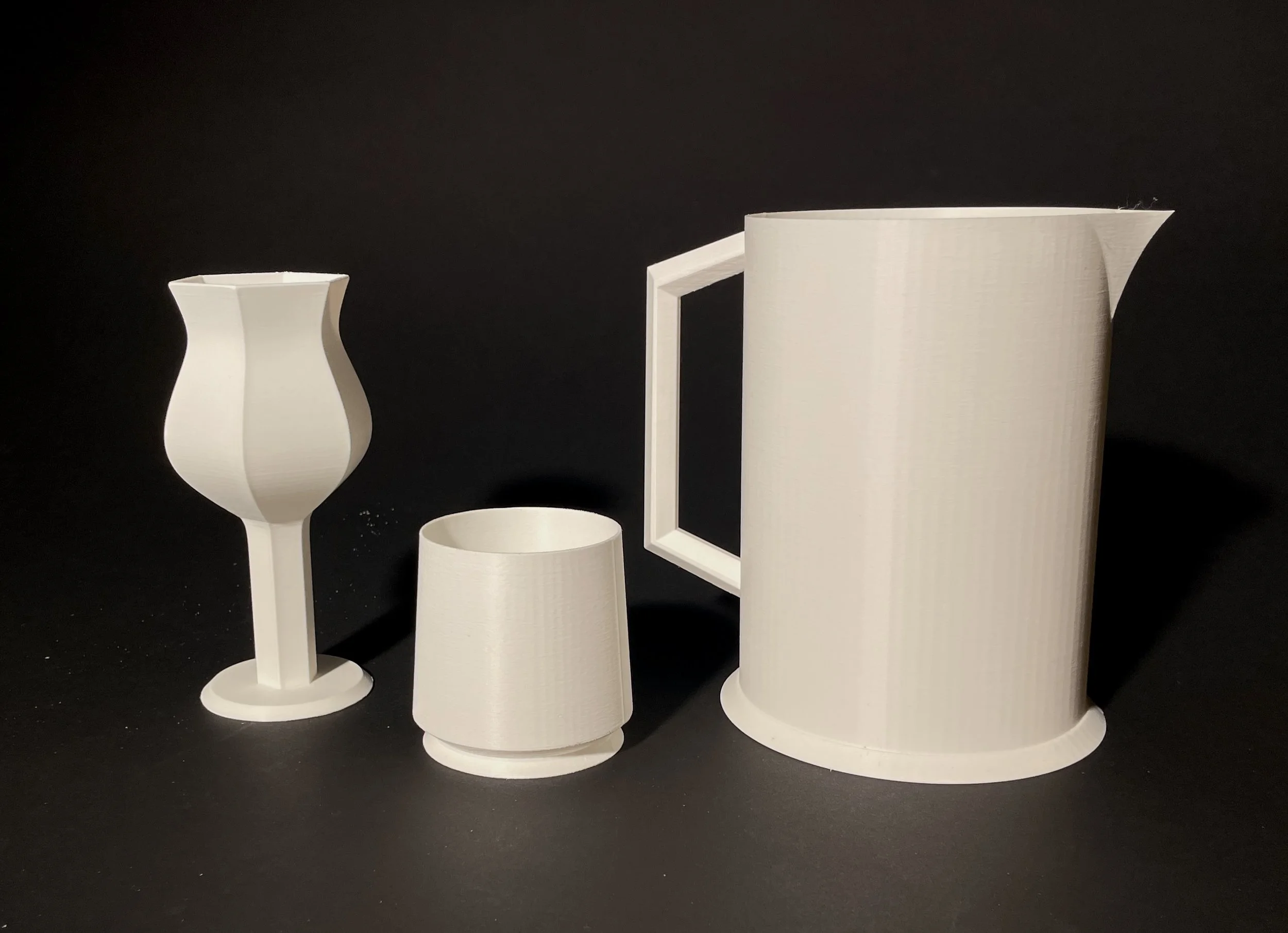
Common bases
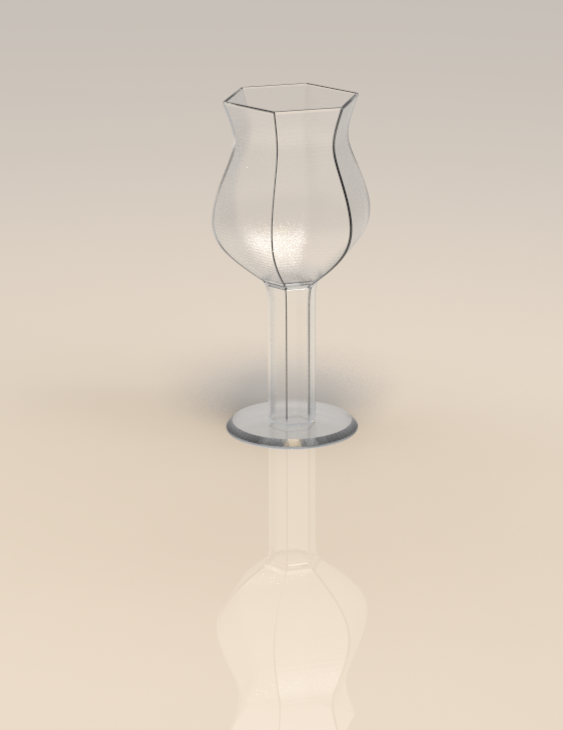
Final Renders
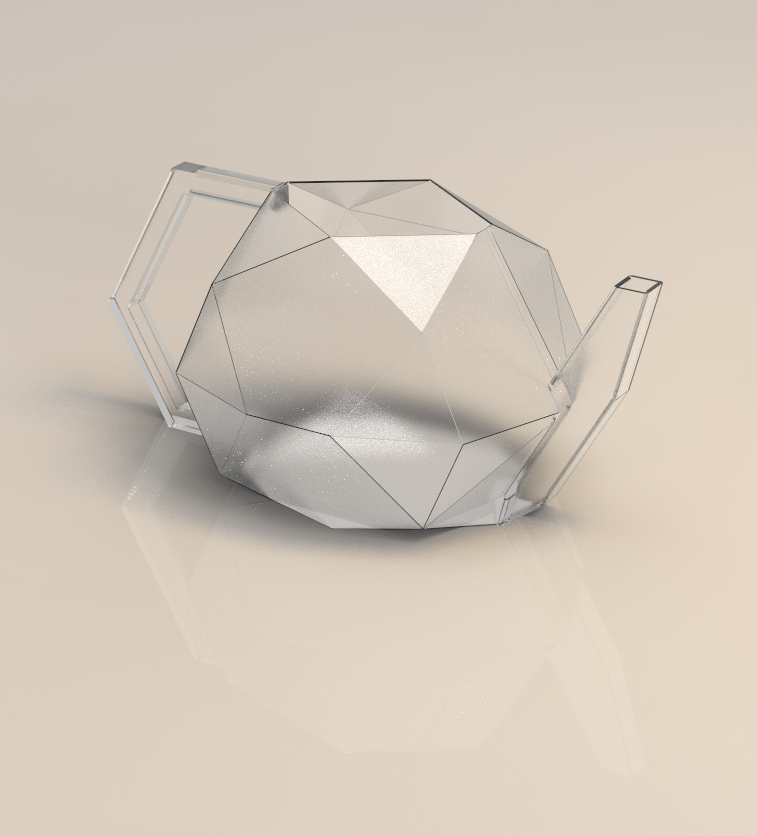
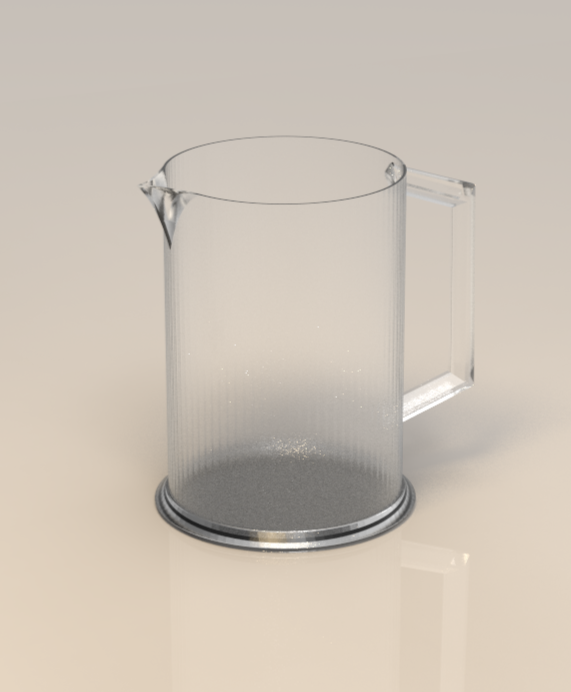
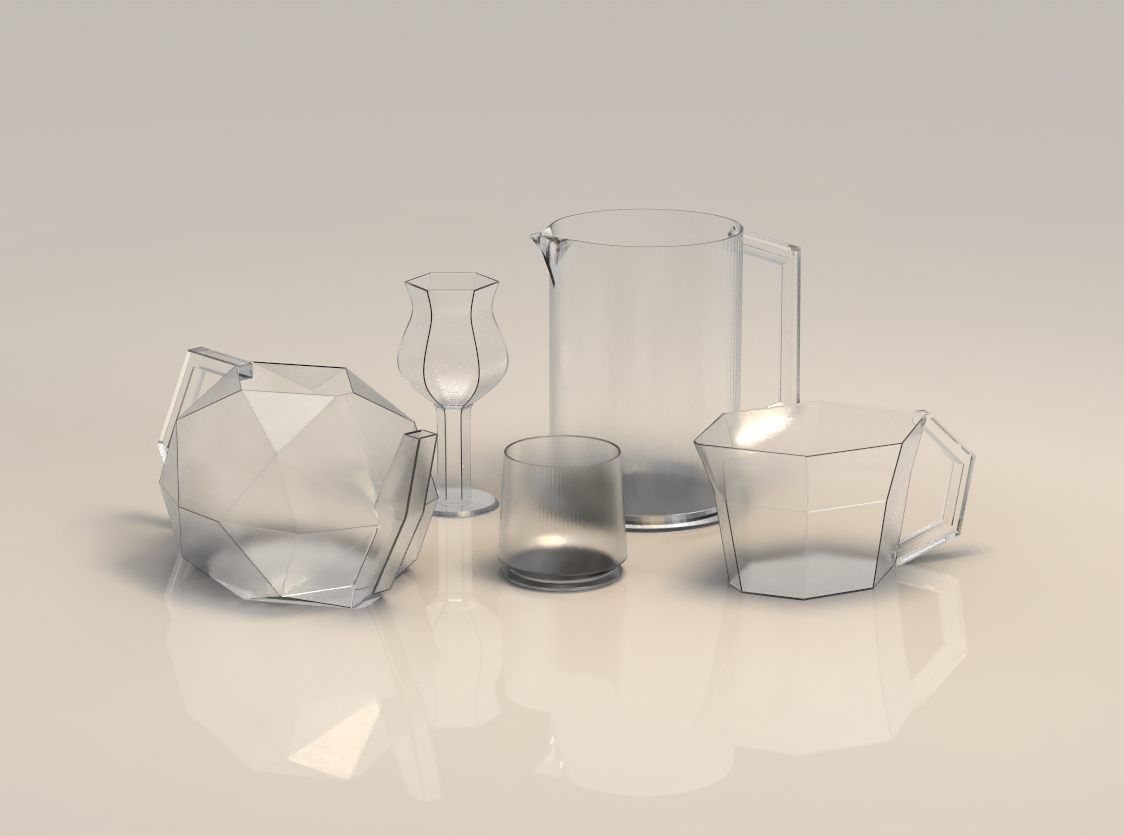
In Context Renders
Made by Open AI